Saudi Arabia’s Voluntary Carbon Market Fuels the Shift to a Low-Carbon

Under UAE President’s directives, UAE launches urgent relief response for Ghana flood victims

Combating Desertification and Drought: Qatar a Model in Preserving Natural Resources, Establishing Environmental Stability
UAE allocates US$30 million for emergency humanitarian response in El Obeid, calls for civilian protection, safe humanitarian aid access in Sudan

AMMAN, Sept. 2 (Petra) – Nestled against the backdrop of
world-renowned ancient history, the Petra region is stepping into a
new spotlight this year as it proudly bears the title of “Capital of
Jordanian Olives for 2026.”
The designation shines a well-deserved light on a deeply rooted
agricultural legacy, underscoring the vital economic, environmental,
and tourism-driven roles that the olive tree plays in the lives of
local communities.
The selection honors Petra’s rich agrarian assets, heritage groves,
ancient centuries-old trees, and unique local cultivars that have
long defined the landscape of the southern district.
Akef Thunaibat, director of the Petra Region Agriculture Directorate,
told the Jordan News Agency (Petra) that the capital title serves as
a powerful platform to showcase the area’s agricultural wealth. He
noted that the directorate works hand-in-hand with local farmers to
preserve historic orchards, promote climate-resilient crop varieties,
deliver targeted agricultural extension services, and monitor for
pests to safeguard yield quality.
“The Ministry of Agriculture looks at Petra through a dual lens: one
eye on the historic city and its monumental civilizational, tourism,
and economic footprint, and the other on agriculture-specifically
olive cultivation-for the immense developmental value it brings to
farmers and the local community,” Thunaibat stated.
He emphasized that the olive tree is an inseparable component of
local identity, capable of serving as a powerful anchor for
agritourism. By bridging the agricultural and tourism sectors,
visitors can connect directly with artisanal products crafted by
families and growers across the district.
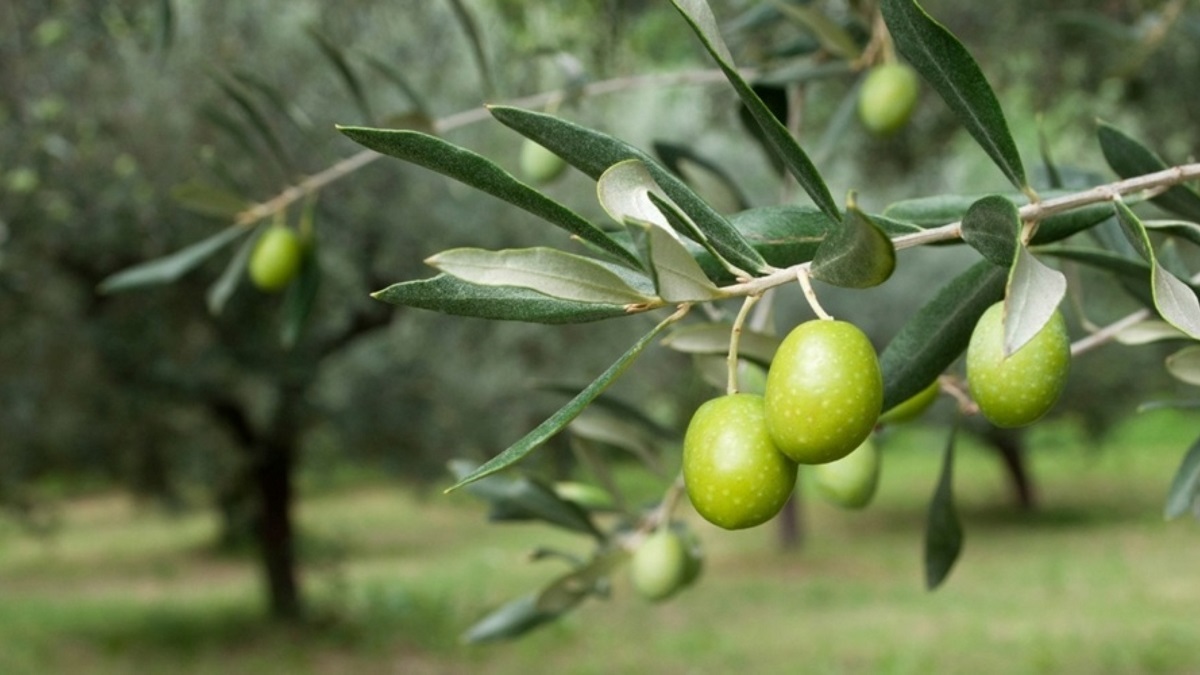
According to the Petra Region Agriculture Directorate, olive groves
span roughly 6,700 dunums across the area. Predominant cultivars
include Nabali, Improved Nabali, and the historic Roman (Baladi)
variety, alongside ancient trees whose lifespans stretch back
centuries.
Local farmer Khalifa Hilalat shared that olive cultivation forms the
fabric of daily life in Petra, noting that many groves have been
passed down through generations, carrying with them ancestral
traditions of care, harvesting, and production.
“The choice of Petra as Jordan’s Olive Capital expands marketing
pathways for olive oil and its derivatives, helping bring our
authentic local produce straight to international and domestic
visitors,” Hilalat said.
Fellow farmer Nadhir Hasanat echoed this sentiment, underscoring the
tree’s dual economic and cultural significance. He stressed the
importance of preserving ancient woodlands, expanding cultivation,
and tightening collaboration between growers and official bodies.
Integrating farm goods with the tourism economy, he added, creates
unique opportunities to introduce travelers to regional bounties and
encourage local patronage.
Meanwhile, the Agriculture Directorate remains active in the field,
tracking tree health, deploying countermeasures against pests such as
the olive fruit fly, and guiding farmers on optimal pest management
practices as the harvest season approaches.
The “Petra: Capital of Jordanian Olive 2026” initiative aims to weave
local olive products deeper into the tourism narrative by
streamlining production awareness, linking producers directly with
hospitality enterprises, hotels, restaurants, and local markets.
Beyond agricultural output, the initiative unlocks economic
opportunities for women, youth, productive households, and
small-business owners, ensuring that local communities reap direct
benefits from Petra’s global tourism prominence.
//Petra// AA