Jordan’s Q2 2026 GDP Expands 3.0%, Outperforming Regional Headwinds, International Forecasts
ENV-KUWAIT-SUSTAINABLITYKuwait strengthens environmental sustainability through strategic initiativesBy Zahra Al-Kadhmi

HLT-KUWAIT-SURGERYKuwait advances health sector with robotic, remote surgeryBy Mohammad Al-Moseb

Saudi Arabia’s Voluntary Carbon Market Fuels the Shift to a Low-Carbon

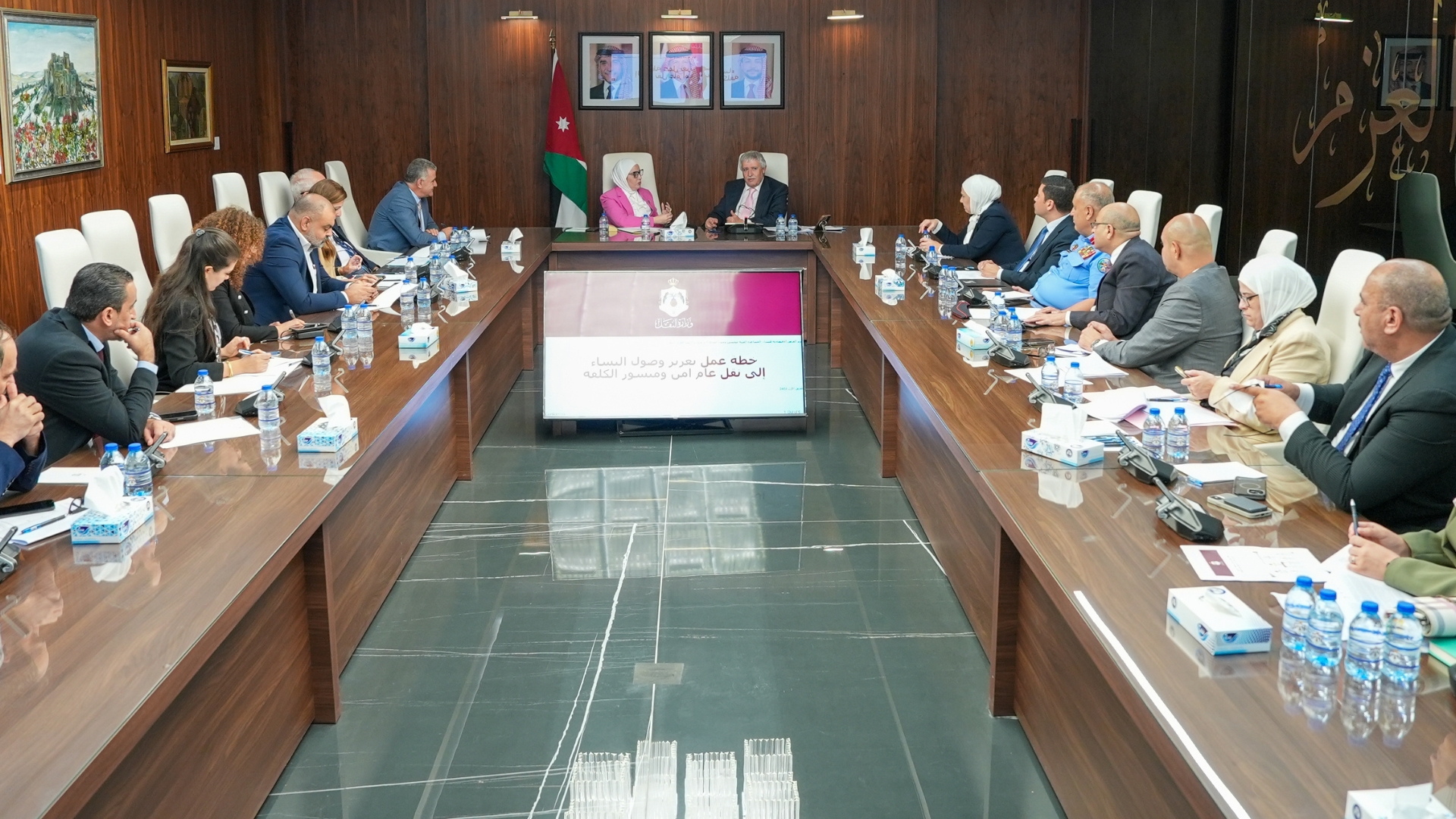
Bani Mustafa: Action plan is a national framework that puts into
practice the transport priority in the second Executive Program of
the Economic Modernization Vision
Qatamin: Public transport development improves women’s access to
jobs and education
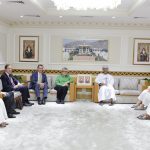
Amman, Oct. 8 (Petra) — Social Development Minister Wafa Bani
Mustafa on Thursday chaired a meeting of the Ministerial Committee
for Women’s Empowerment to discuss the action plan to improve women’s
access to “safe, affordable” public transport.
Transport and Labor Minister Nidal Qatamin and several committee
members attended.
Talking at the discussion, Bani Mustafa said the plan is a national
framework that puts into practice the transport priority in the
second Executive Program of the Economic Modernization Vision. She
said it is part of joint efforts to build women’s needs into sectoral
policies, including transport, to create safer, more inclusive
services for working women.
Safe, affordable transport is essential to women’s participation in
the labor market, not just a service issue. Better and sustainable
services widen women’s access to jobs and ease the difficulties of
reaching workplaces, she said.
Highlighting the problems facing women in some areas, she cited
limited coverage, long waits, high temperatures, infrastructure gaps,
unsafe access and multiple trips, which require paying attention to
women’s needs while designing public transport services.
She detailed the plan’s priorities, including links between
residential areas, particularly in governorates and areas most in
need; the needs of women with disabilities; stronger oversight;
training for transport workers; and awareness campaigns.
Qatamin, in turn, underscored that the ministry is working to make
public transport “safe and reliable” for women. He said measures
include transport for women working in agriculture, possible use of
school transport in southern governorates, and scheduled intercity
services with set timetables, frequencies and routes.
He added that the system also has electronic payment, CCTV and
tracking on vehicles, and channels for complaints and feedback.
He said the Land Transport Regulatory Commission, in cooperation with
the Vocational Training Corporation, is developing bus stops that
meet standards for women’s needs, accessibility, climate conditions
and safety.
The Passenger Support Fund and the Bus Rapid Transit project provide
regular, fast and affordable options, he said, helping people reach
work, study and services.
The committee also discussed the plan’s pillars: Governance and
institutional integration, safe and inclusive infrastructure,
accessible and reliable services, sustainable transport systems,
awareness campaigns and comprehensive planning, all through
implementable measures.
//Petra// NQ