Jordan’s Q2 2026 GDP Expands 3.0%, Outperforming Regional Headwinds, International Forecasts
ENV-KUWAIT-SUSTAINABLITYKuwait strengthens environmental sustainability through strategic initiativesBy Zahra Al-Kadhmi
HLT-KUWAIT-SURGERYKuwait advances health sector with robotic, remote surgeryBy Mohammad Al-Moseb

Saudi Arabia’s Voluntary Carbon Market Fuels the Shift to a Low-Carbon

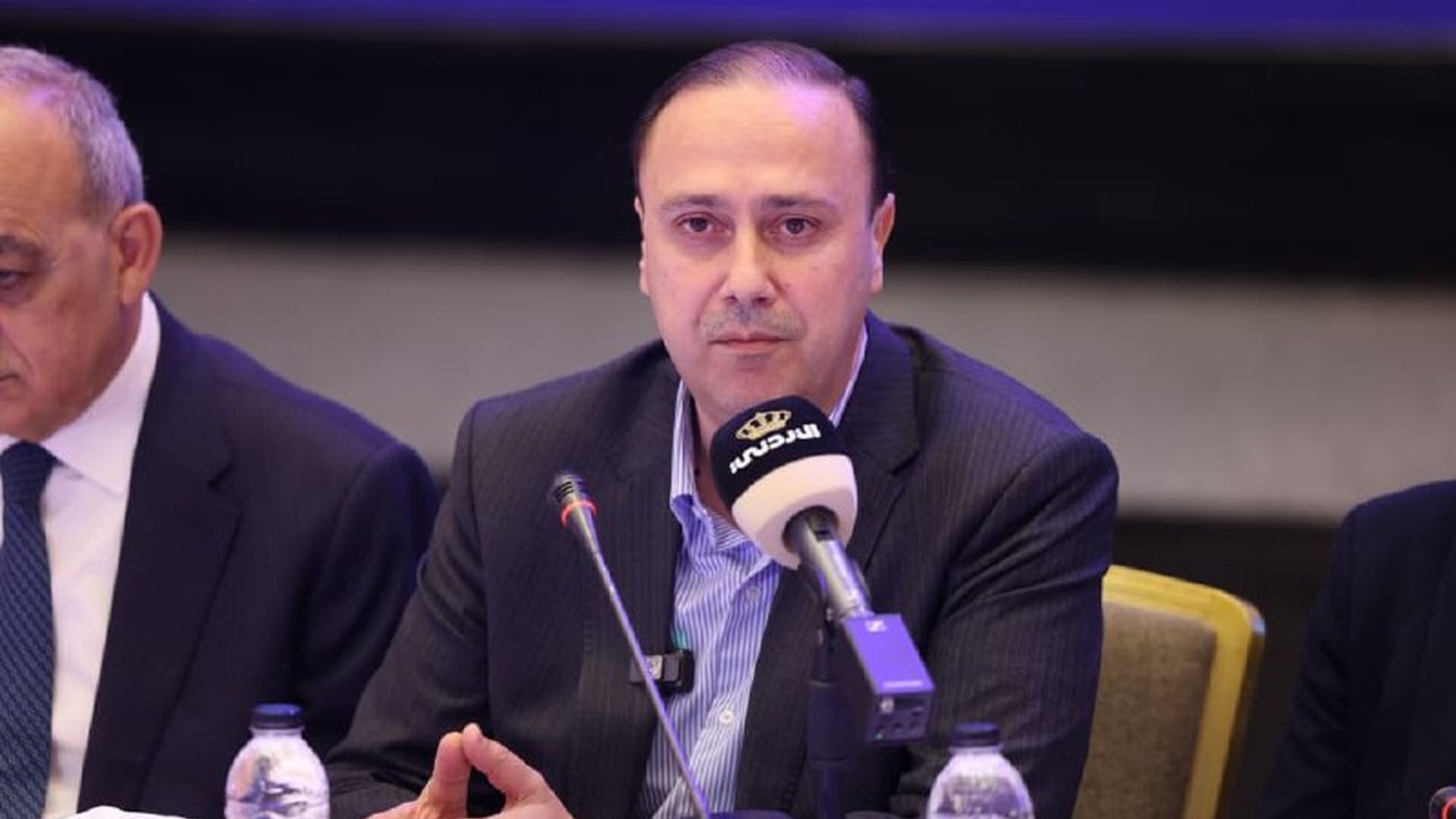
Amman, Oct. 9 (Petra)– Government Communication Minister and
Government Spokesperson Mohammad Momani on Friday evening inaugurated
the dialogue sessions of the Arab Media Dialogue Forum, organized by
the Center for Defending Freedom of Journalists (CDFJ) in Amman, on
the sidelines of the fourth Future of Media and Communication
Conference, “A Changing World,” which opens on Saturday.
At the beginning of the session, Momani welcomed ministers, guests
and participants from across the Arab world, reaffirming Jordan’s
pride in its fraternal ties with Arab countries.
He stressed the importance of strengthening Arab media cooperation
and institutionalizing dialogue among media, intellectual, and
cultural institutions and figures in a way that serves shared Arab
causes and supports development, including the tourism sector.
Momani noted that professional and independent media is a key element
of a state’s strength, helping defend its interests, correct its
course, and showcase Arab countries’ potential and resources to the
world.
Speaking about the media’s role in supporting sustainable development
and tourism across the Arab world, Tourism Minister Imad Hejazeen
said media plays a pivotal role in advancing sustainable development
and supporting the tourism sector by highlighting Arab countries’
natural, historical, and cultural assets and promoting their diverse
destinations through professional and innovative approaches and
various media platforms.
He emphasized the importance of promoting intra-Arab tourism, which
relies on visitors traveling between geographically close countries,
describing it as a key pillar for supporting tourism and economic
development across the region.
Hejazeen said intra-Arab tourism levels remain below expectations,
accounting for no more than 40 percent of tourism, despite the Arab
world’s population of nearly 500 million and its diverse tourism
attractions, as well as shared linguistic, historical, cultural, and
civilizational ties.
He noted that the figure is modest compared with intra-regional
tourism rates elsewhere, which stand at around 88 percent in Europe
and 79 percent in Asia.
This gap, he said, calls for intensified Arab efforts to develop
joint tourism initiatives and capitalize on geographical proximity
and the ease of travel between Arab countries by land, sea, and air,
thereby boosting tourist flows and increasing tourism’s contribution
to Arab economies.
Hejazeen added that advancing intra-Arab tourism requires moving
beyond joint efforts and agreements toward practical, sustainable
programs. While Arab tourism ministries, governments, and the League
of Arab States have made efforts to strengthen cooperation, he said
the results still require further coordination, promotion, and joint
action to match the region’s tourism potential and the diversity of
its products and destinations.
He also called on Arab media outlets to focus on Jordan’s “20-30”
initiative, launched in May as part of preparations to capitalize on
the occasion marking 2,000 years since the baptism of Jesus Christ in
Jordan. He said the occasion carries religious, historical, and
cultural significance for the Kingdom and millions of Christians
worldwide.
For his part, CDFJ Director Nidal Mansour said the Arab Media
Dialogue Forum provides an important platform for dialogue and the
exchange of expertise among Arab media institutions. It also offers
an opportunity to highlight priority issues facing the Arab media
landscape and explore shared interests that can strengthen
cooperation and integration among media outlets across the region.
Mansour said the session addresses two main themes. The first
examines the media’s role in supporting development in its various
forms, with a particular focus on tourism as a vital sector
supporting national economies. The second explores the challenges
facing Arab media amid rapid sectoral changes and successive
technological advances.
He added that one of the key issues requiring in-depth discussion
among Arab journalists and media institutions is journalists’ job
security amid the emergence of artificial intelligence technologies
and their expanding use in media work.
These developments, he said, raise questions about the future of the
profession, employment stability, and media organizations’ ability to
keep pace with technological advances while preserving
professionalism, independence, and content quality.
The forum brought together a large number of Arab journalists,
including ministers, press syndicate heads, and members of media
councils and associations. Participants held extensive discussions on
key media issues across the Arab world, challenges to developing the
media sector, and ways to strengthen its contribution to development,
particularly tourism.
They also examined obstacles to improving media performance and
keeping pace with rapid changes in the global media landscape.
Participants put forward a range of practical proposals to address
these challenges, stressing the importance of stronger cooperation
and coordination among Arab media institutions, exchanging expertise
and successful experiences, and developing media content that
responds to the needs of Arab societies and reflects their cultural
and civilizational diversity.
They also underscored the need to make effective use of modern
digital tools and social media platforms to reach wider audiences and
strengthen the regional and international visibility of Arab tourist
destinations.
//Petra// MF