Saudi Arabia’s Voluntary Carbon Market Fuels the Shift to a Low-Carbon

Under UAE President’s directives, UAE launches urgent relief response for Ghana flood victims

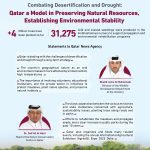
Combating Desertification and Drought: Qatar a Model in Preserving Natural Resources, Establishing Environmental Stability
UAE allocates US$30 million for emergency humanitarian response in El Obeid, calls for civilian protection, safe humanitarian aid access in Sudan

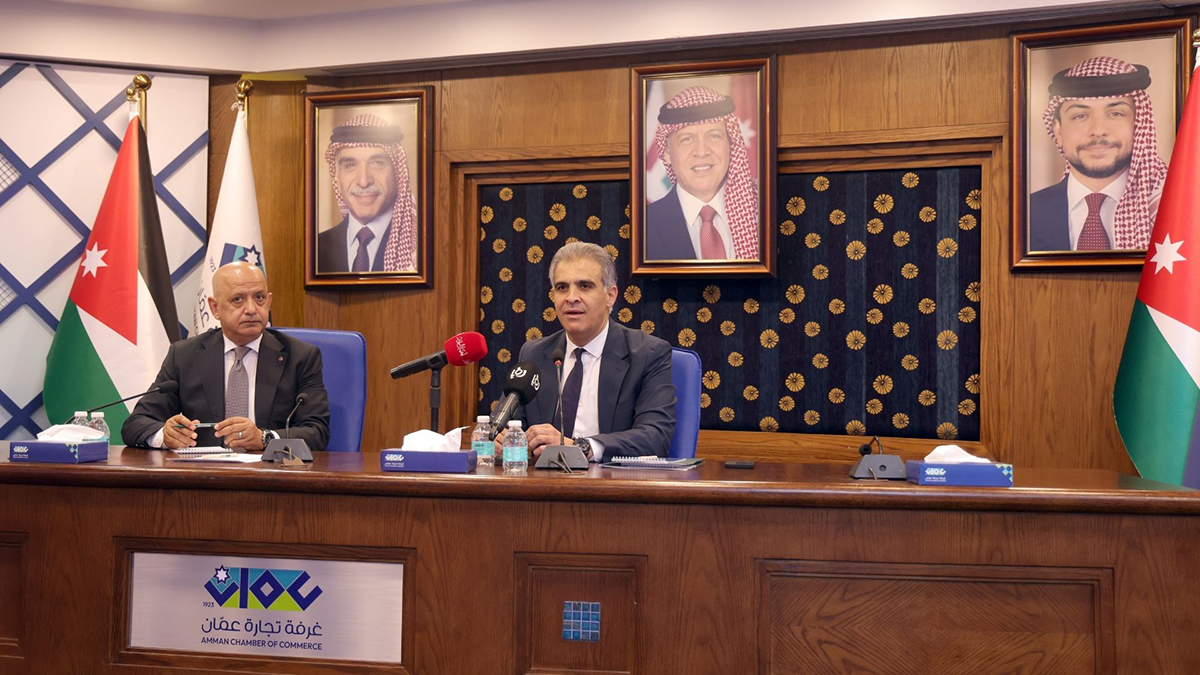
Amman, July 15 (Petra) – Social Security Corporation (SSC) Director
General Hazim Rahahleh said on Wednesday his institution is keen on
partnership with the private sector as it seeks to achieve a balance
between maintaining a sustainable social security system and
supporting businesses to face economic and regional challenges.
He told a meeting with the commercial and service sectors at the
Amman Chamber of Commerce that the SSC’s Board of Directors recently
endorsed “a package of exceptional facilities” for the tourism sector
and related activities.
These include installment payments for outstanding obligations at a
1% interest rate, with the possibility of postponing the start of
repayments until April of next year according to certain criteria, to
help businesses overcome current circumstances and retain their
employees, said Rahahleh.
The privileges, he said, came after studying challenges facing the
tourism sector and engaging in dialogue with relevant stakeholders.
The corporation will address the condition of each establishment
individually and come up with solutions within existing regulations
in a manner that meets the interests of employers, protects the
rights of insured individuals, and guarantees the sustainability of
social security funds.
Rahahleh said the corporation monitors the conditions of various
economic sectors, and that any decision to grant exceptional
privileges to other sectors is based on objective assessment of the
extent of damage in coordination with relevant government entities.
He said the next phase will focus on expanding social security
coverage and that the corporation will start sending notices to
establishments with workers holding work permits who are not covered
by social security, based on the electronic link with the Labor
Ministry.
For his part, Amman Chamber of Commerce Chairman, Khalil Hajj Tawfiq
urged expansion of social security privileges to include other
commercial and service sectors affected by regional crises, adding
that the repercussions of the war were not limited to tourism, which,
nevertheless, was hardest hit.
Tawfiq said commerce chambers and employers’ associations have
provided the government with data and indicators on the extent of
damage incurred by various economic sectors, including shrinking
sales and reduced commercial activity, which took a toll on many
businesses.
//Petra//SS