Saudi Arabia’s Voluntary Carbon Market Fuels the Shift to a Low-Carbon

Under UAE President’s directives, UAE launches urgent relief response for Ghana flood victims

Combating Desertification and Drought: Qatar a Model in Preserving Natural Resources, Establishing Environmental Stability

UAE allocates US$30 million for emergency humanitarian response in El Obeid, calls for civilian protection, safe humanitarian aid access in Sudan

Tax
Conference 2026 Reviews Latest Developments, Rapid Shifts in Tax Systems
Muscat,
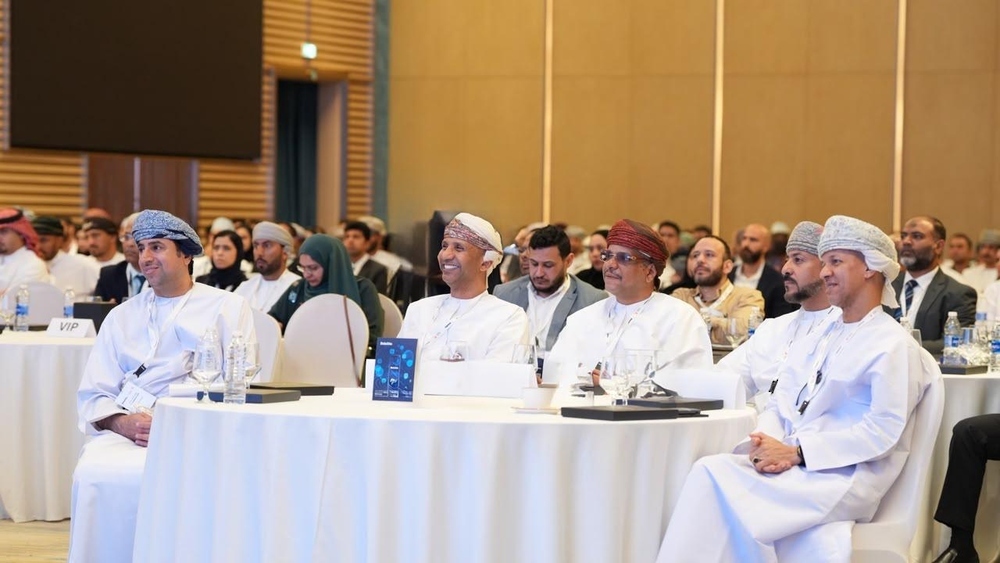
15 Sep 2026 (ONA) — The third edition of the Tax Conference 2026, held in
Muscat today, reviewed the latest developments and rapid transformations in tax
systems both locally and internationally, amid wide-ranging participation from
international experts, representatives of government entities, the tax and
financial sector, and legal and accounting experts.
The
conference witnessed the launch of the electronic “Rafid” tax system
and the first tax invoice, aimed at developing the tax system in the Sultanate
of Oman, enhancing tax compliance, raising the level of transparency in
commercial transactions, improving the efficiency of tax procedures, alongside
supporting digital transformation and fostering a more efficient and reliable
business environment.
Nasser
bin Khamis Al Jashmi, Chairman of the Tax Authority, explained that the
conference comes at a time when the tax environment is witnessing rapid
developments at both the local and international levels, which imposes the
importance of continuing dialogue, exchanging expertise and enhancing
communication among the various parties.
He
added that the conference acquires particular importance given the vital topics
it encompasses, beginning with global developments in the field of the
supplementary tax on multinational corporations (Pillar Two), passing through
the personal income tax, and reaching the electronic invoicing project.
Al
Jashmi stressed that the success of any tax system does not depend on
legislation and procedures alone, but rather requires awareness, clarity,
continuous communication, fairness, and mutual trust between the tax
administration and taxpayers.
He
indicated that the conference represents a platform for enhancing partnership
and exchanging visions on ways to develop a clearer and more efficient tax
environment, serving the national economy and supporting the business
environment in the Sultanate of Oman.
The
conference shed light on a spectrum of themes. Foremost among them were the
latest developments in the application of the supplementary tax on
multinational corporations and the challenges associated with international
taxes. The discussions also covered digital transformation and modern
technologies, and the employment of emerging technologies and artificial
intelligence to facilitate tax procedures and support tax compliance. Another
key theme was the enhancement of partnership and awareness, namely building a
close and effective relationship between the Tax Authority and representatives
of business sectors and tax agents to ensure a sound understanding of tax requirements.
—
Ends/Khalid