
Jordan’s Q2 2026 GDP Expands 3.0%, Outperforming Regional Headwinds, International Forecasts
ENV-KUWAIT-SUSTAINABLITYKuwait strengthens environmental sustainability through strategic initiativesBy Zahra Al-Kadhmi

HLT-KUWAIT-SURGERYKuwait advances health sector with robotic, remote surgeryBy Mohammad Al-Moseb

Saudi Arabia’s Voluntary Carbon Market Fuels the Shift to a Low-Carbon

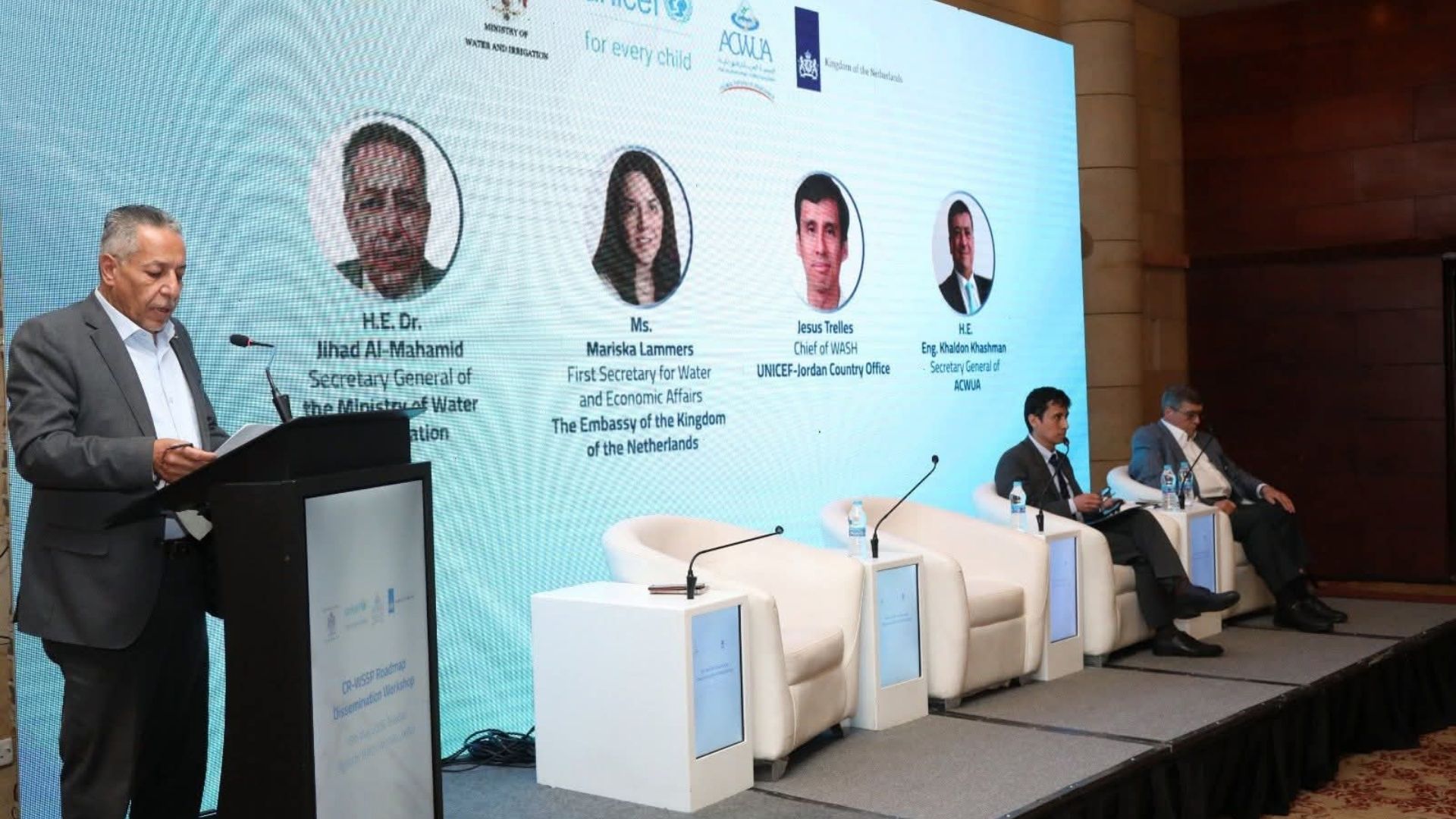
Amman, May 19 (Petra) — The Ministry of Water and Irrigation on
Tuesday launched a workshop on the Climate-Resilient Water and
Sanitation Safety Planning (CR-WSSP) roadmap, aimed at advancing a
comprehensive strategic transformation in the Kingdom’s water sector
through proactive and preventive risk management approaches.
Opening the workshop, Secretary-General of the Ministry of Water and
Irrigation Jihad Mahamid said the roadmap seeks to transition the
water and sanitation sector from a traditional reactive model to a
proactive framework based on integrated risk management across all
stages of water supply and sanitation services.
Mahamid said the roadmap aligns with Jordan’s National Water Strategy
2023-2040 and supports the sector’s broader vision of ensuring
sustainable water and sanitation services.
He highlighted the importance of adopting risk-based methodologies to
protect public health, ensure service sustainability, and strengthen
the resilience of areas most vulnerable to water scarcity and
climate-related risks.
Mahamid also stressed the ministry’s continued regulatory and
coordination role, while the Water Authority of Jordan maintains
oversight of water companies and service providers to ensure
effective implementation of the roadmap. He said the initiative’s
success depends on sustained cooperation and coordination among all
stakeholders.
First Secretary for Water and Economic Affairs at the Embassy of the
Kingdom of the Netherlands in Jordan Mariska Lammers said
strengthening climate resilience in Jordan’s water sector requires
robust partnerships, international cooperation, knowledge exchange,
and long-term collaboration.
She described the roadmap as a major step toward ensuring more
sustainable and reliable water and sanitation services, while
commending the level of coordination among Jordanian institutions
during the roadmap’s development process.
Chief of the Water, Sanitation and Hygiene Section at UNICEF Jordan
Jesus Trelles said ensuring sustainable water and sanitation services
has become essential to protecting public health and enhancing
communities’ resilience to climate change.
He added that the roadmap supports proactive planning and risk-based
approaches that help ensure the continuity of safe and reliable
services across the Kingdom.
Secretary General of Arab Countries Water Utilities Association
(ACWUA) Khaldon Khashman said climate-resilient water and sanitation
safety plans represent a strategic shift from conventional risk
response mechanisms toward integrated planning and risk management.
He noted that the approach strengthens service reliability and public
health protection by incorporating risk management throughout the
entire water and sanitation chain, from water sources and treatment
systems to wastewater management and environmental discharge.
Khashman stressed the importance of focusing on practical
implementation, capacity building, and enhanced coordination among
stakeholders during the next phase, affirming ACWUA’s commitment to
continuing technical support and knowledge-sharing efforts through
its regional network.
At the conclusion of the workshop, organizers and partners reaffirmed
the importance of sustained cooperation to ensure effective
implementation of the roadmap and translate its objectives into
practical measures that enhance the resilience and sustainability of
Jordan’s water and sanitation sector.
//Petra// AJ