Saudi Arabia’s Voluntary Carbon Market Fuels the Shift to a Low-Carbon

Under UAE President’s directives, UAE launches urgent relief response for Ghana flood victims

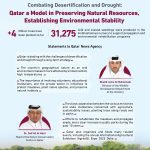
Combating Desertification and Drought: Qatar a Model in Preserving Natural Resources, Establishing Environmental Stability
UAE allocates US$30 million for emergency humanitarian response in El Obeid, calls for civilian protection, safe humanitarian aid access in Sudan

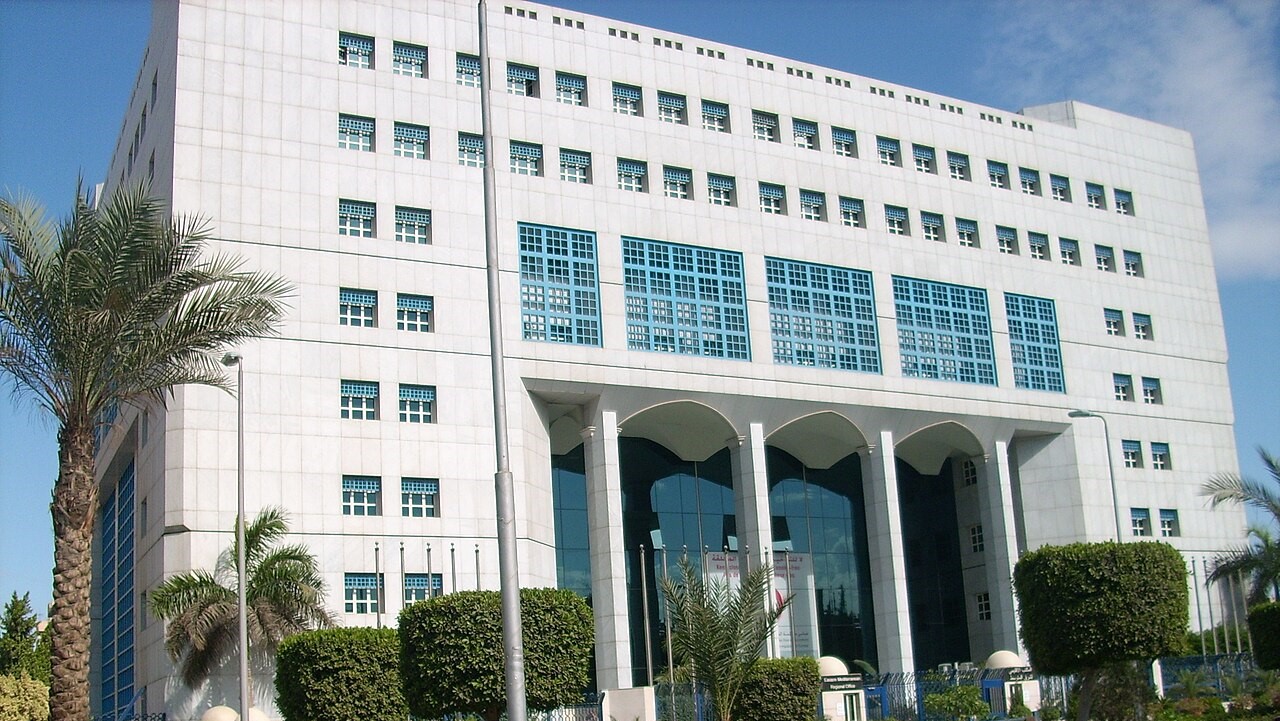
Amman, Sept 6 (Petra) — The World Health Organization (WHO) Regional
Office for the Eastern Mediterranean highlighted Sunday the vital
role played by frontline field epidemiologists in detecting public
health threats, investigating disease outbreaks, and translating data
into protective community measures, ahead of World Field Epidemiology
Day on Sept. 7.
In a report issued on Sunday, the WHO stated that countries across
the region are utilizing Field Epidemiology Training Programs (FETPs)
to build a skilled workforce capable of early threat detection, rapid
response, enhanced surveillance, and health security reinforcement.
Across the Eastern Mediterranean Region, the WHO supports countries
in scaling up FETP initiatives through national mentoring, regional
knowledge sharing, and basic and advanced training modules, including
applications of artificial intelligence (AI) and innovative
methodologies. This effort forms part of the WHO Regional Director’s
flagship initiative aimed at building a resilient, fit-for-purpose,
and sustainable health workforce.
The report pointed to recent milestones in Syria and Egypt as
evidence of progress in field epidemiology capabilities. In Syria,
the WHO supported the establishment of a national FETP to strengthen
surveillance, applied epidemiology, and outbreak response capacities
while training local mentors to ensure long-term sustainability.
In Egypt, the designation of the national FETP as a WHO Collaborating
Center marked a regional milestone, providing a platform to share
technical expertise, expand field epidemiology capacity, and enhance
inter-regional cooperation.
The WHO report concluded that sustained investment in field
epidemiology yields stronger national public health systems, closer
regional collaboration, and a resilient workforce equipped to
identify and contain health threats before they escalate into wider
emergencies.
//Petra// AF