ENV-KUWAIT-SUSTAINABLITYKuwait strengthens environmental sustainability through strategic initiativesBy Zahra Al-Kadhmi

HLT-KUWAIT-SURGERYKuwait advances health sector with robotic, remote surgeryBy Mohammad Al-Moseb

Saudi Arabia’s Voluntary Carbon Market Fuels the Shift to a Low-Carbon

Under UAE President’s directives, UAE launches urgent relief response for Ghana flood victims

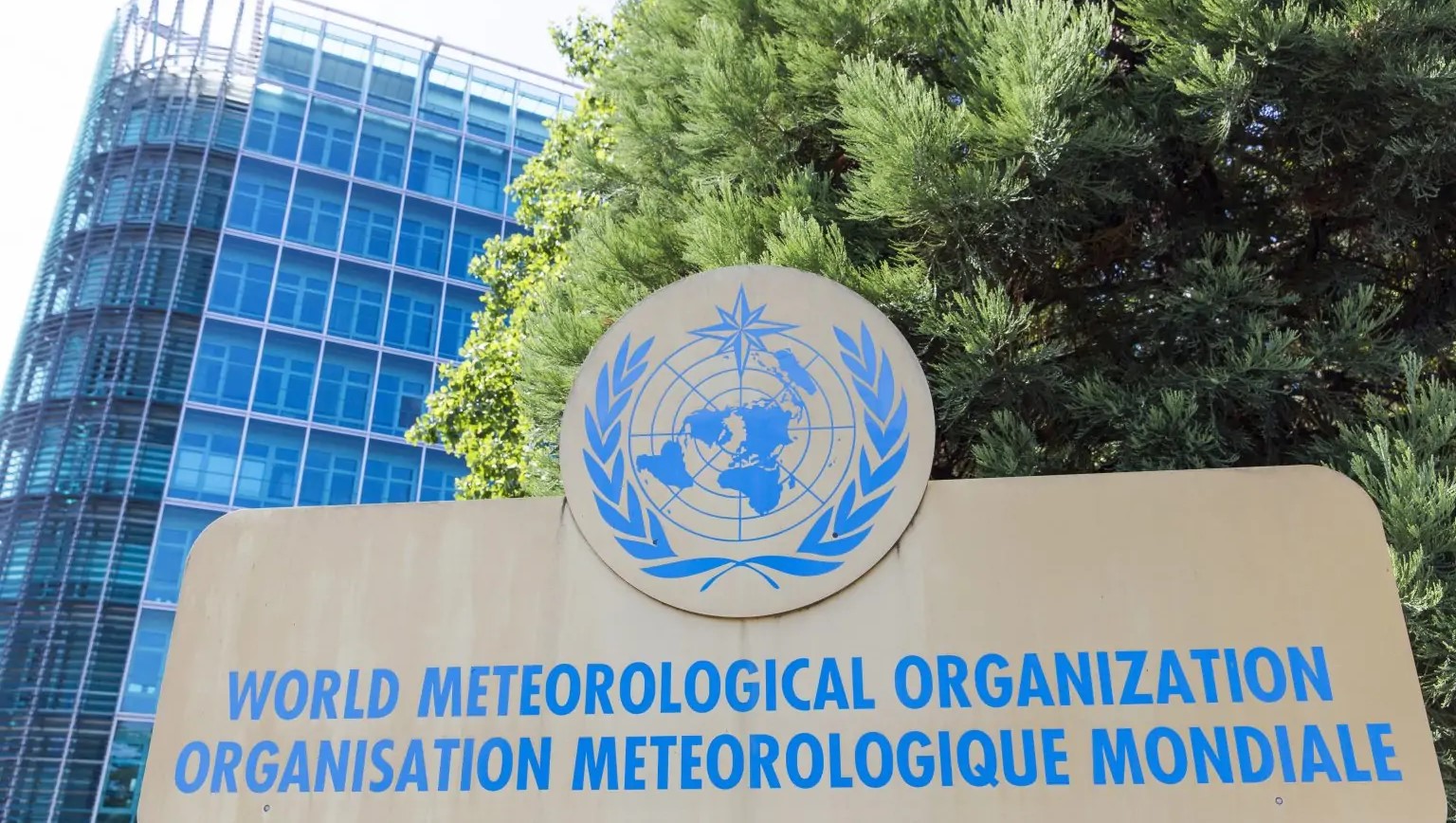
Amman, July 7 (Petra) – The World Meteorological Organisation (WMO)
has warned that the last remaining tropical glacier is expected to
disappear by the end of 2026 or early 2027, highlighting the
accelerating impacts of climate change across the southwestern
Pacific region.
According to the Swiss news outlet Swissinfo, the WMO said in its
annual report that the southwestern Pacific experienced its
second-warmest year on record, marked by extreme weather events that
caused widespread disruption, economic losses and fatalities.
The report stated that “estimates indicate that the remaining
tropical ice cover in Papua, Indonesia, now accounts for only about
2% of the ice area recorded in 1988,” underscoring the rapid retreat
of the region’s last tropical glacier.
The WMO warned that recurring marine heat waves have raised ocean
temperatures and increased seawater acidity, damaging ecosystems and
affecting livelihoods that depend on marine resources.
Rising sea levels continue to threaten coastal communities and
low-lying island nations across the Pacific.
//Petra// AK