Saudi Arabia’s Voluntary Carbon Market Fuels the Shift to a Low-Carbon

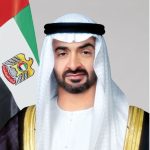
Under UAE President’s directives, UAE launches urgent relief response for Ghana flood victims
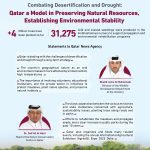
Combating Desertification and Drought: Qatar a Model in Preserving Natural Resources, Establishing Environmental Stability
UAE allocates US$30 million for emergency humanitarian response in El Obeid, calls for civilian protection, safe humanitarian aid access in Sudan

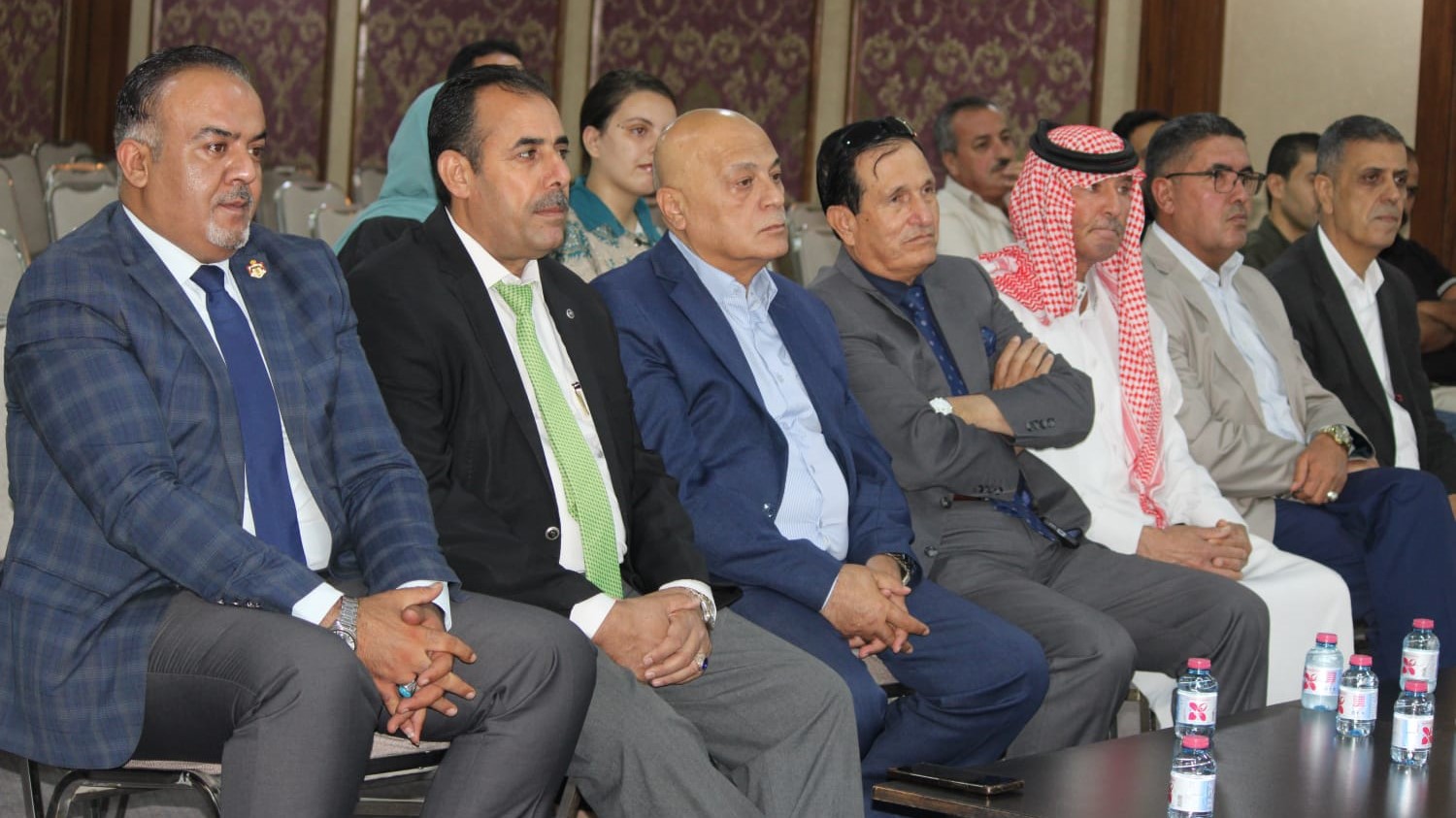
Zarqa, Sept. 8 (Petra) — The third Zarqa Culture and Arts Festival
concluded on Tuesday evening at the King Abdullah II Cultural Center
in Zarqa.
Held under the banner “Jordan: Land and People,” the six-day event
was organized by the Zarqa Culture Directorate in collaboration with
local cultural organizations and in partnership with the Russeifa and
Hashemiyah municipalities, sponsored by the Ministry of Culture.
Designed to decentralize cultural engagement, the festival hosted a
diverse program of intellectual, artistic, and heritage events across
the governorate’s various districts, expanding access to local
communities and reinforcing partnerships between municipal bodies and
cultural institutions.
The closing ceremony featured a panel discussion titled “The
Jordanian Narrative: A Nation’s Story and the Voice of the Ummah,”
focused on the evolution of Jordan’s national identity, collective
memory, and historical awareness.
Former Minister of Culture Sabri Rbeihat and historian Baker Khazer
Al-Majali served as key panelists in a session moderated by writer
Mohammad Abdul Kareem Al-Zyoud.
Rbeihat emphasized the role of the national narrative in interpreting
Jordan’s history and national milestones. He noted that culture acts
as a catalyst for identity and belonging, transforming historical
memory into continuous intellectual engagement that connects younger
generations to the nation’s achievements.
Al-Majali reviewed key historical and documentary phases of the
Jordanian state, highlighting the national struggle and societal
transformations that shaped the country. He underscored the
importance of documenting these turning points to preserve them as an
essential part of the national heritage.
Mohammad Al-Zoubi, Director of the Zarqa Culture Directorate, said
the Ministry of Culture is committed to revitalizing cultural
activity by integrating the national narrative into public events. He
added that the festival served as an inclusive platform for thought,
arts, and heritage, achieving its goal of cultural decentralization
by engaging wider audiences across all areas of the governorate.
//Petra// AF