ENV-KUWAIT-SUSTAINABLITYKuwait strengthens environmental sustainability through strategic initiativesBy Zahra Al-Kadhmi

HLT-KUWAIT-SURGERYKuwait advances health sector with robotic, remote surgeryBy Mohammad Al-Moseb

Saudi Arabia’s Voluntary Carbon Market Fuels the Shift to a Low-Carbon

Under UAE President’s directives, UAE launches urgent relief response for Ghana flood victims

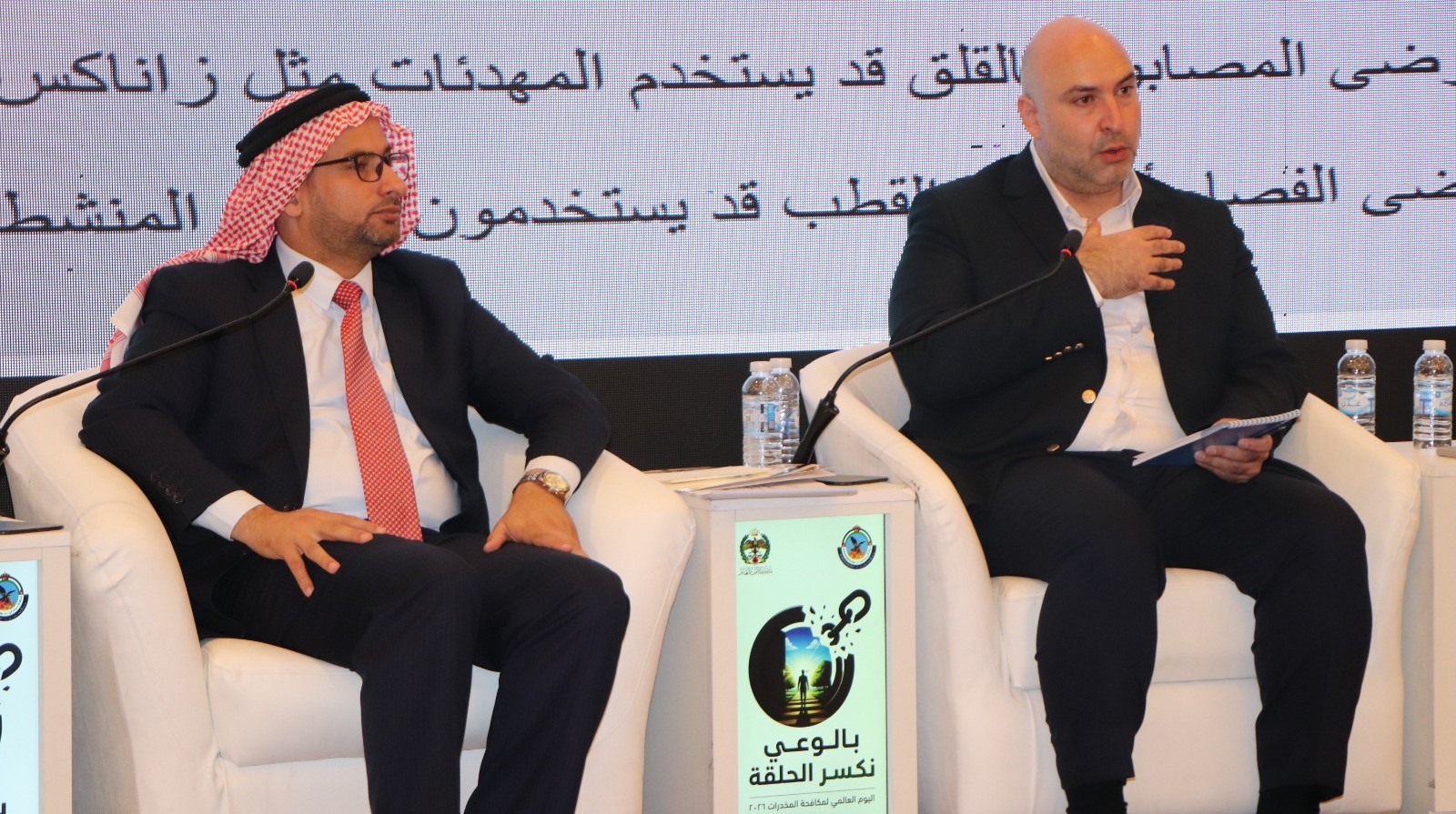
Amman, June 29 (Petra) — Islamic values and religious discourse
serve as foundational pillars in preventing drug addiction,
bolstering social awareness, and protecting youth, the
Secretary-General of the Ministry of Awqaf and Islamic Affairs,
Ismail Al-Khatba, said on Monday.
Al-Khatba made the remarks during specialized working sessions held
on the sidelines of the Public Security Directorate’s (PSD) ceremony
marking the International Day Against Drug Abuse and Illicit
Trafficking. The event was held under the slogan “With Awareness…
We Break the Chain.”
Al-Khatba emphasized that Islamic law prioritizes the preservation of
the mind and human soul, strictly prohibiting anything that impairs
or corrupts them. He noted that substance abuse is not merely a
health or security challenge, but a critical threat that destabilizes
families and undermines societal morals.
The official stated that combating narcotics is a shared national and
community responsibility. While the security apparatus plays a vital
role, Al-Khatba called for collective efforts spanning religious,
educational, media, and family institutions to foster a secure
environment for the younger generation.
The Ministry of Awqaf continues to deploy extensive awareness
programs across the kingdom’s mosques, including unified Friday
sermons, lectures, and guidance forums. Furthermore, the ministry
runs joint training programs for male and female preachers in
cooperation with the PSD’s Anti-Narcotics Department under the “With
Our Awareness, We Protect Generations” initiative.
Al-Khatba concluded by stating that the ministry’s educational
strategies actively prioritize strengthening family ties, reinforcing
moral values, and encouraging youth to invest their time
productively, affirming that sustainable prevention begins
structurally within the home, the mosque, and the school.
//Petra// AF