ENV-KUWAIT-SUSTAINABLITYKuwait strengthens environmental sustainability through strategic initiativesBy Zahra Al-Kadhmi
HLT-KUWAIT-SURGERYKuwait advances health sector with robotic, remote surgeryBy Mohammad Al-Moseb

Saudi Arabia’s Voluntary Carbon Market Fuels the Shift to a Low-Carbon

Under UAE President’s directives, UAE launches urgent relief response for Ghana flood victims
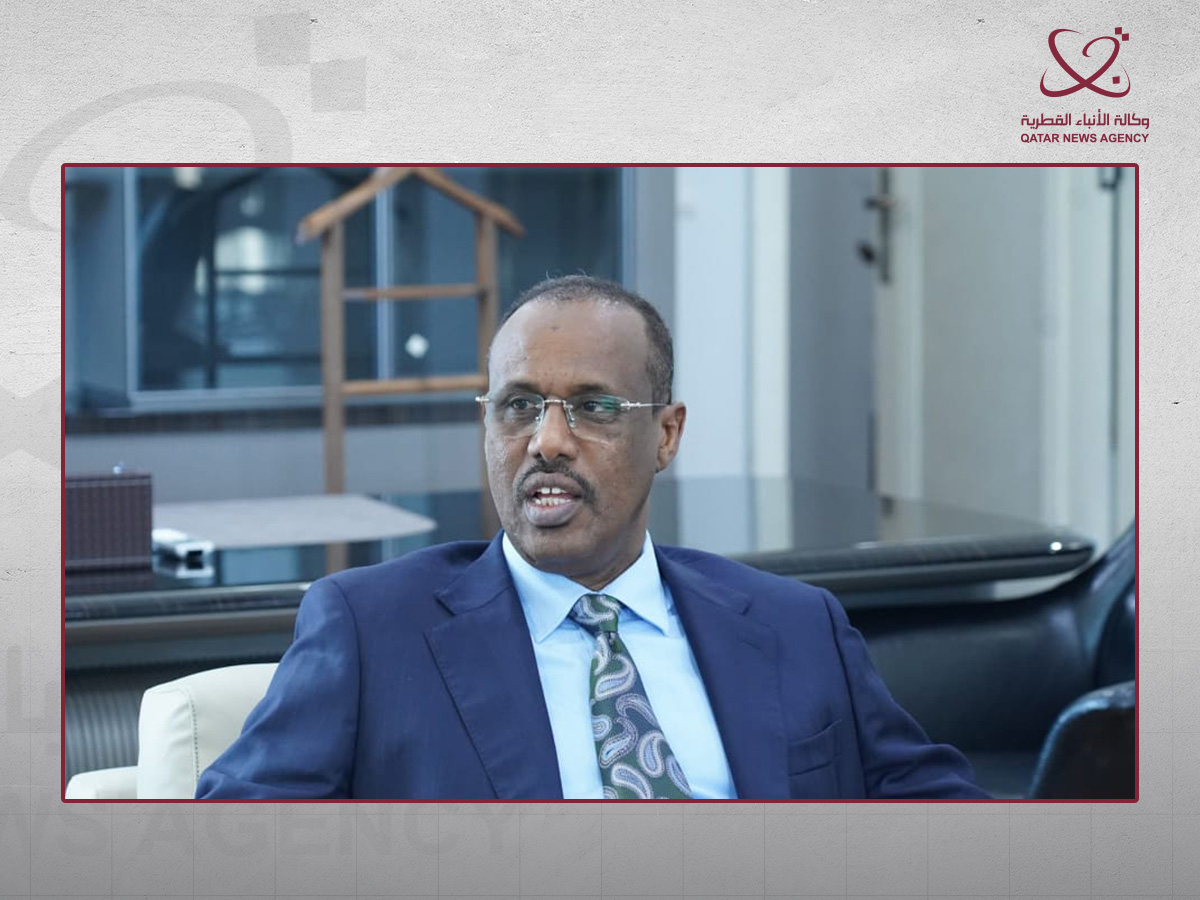
Doha, September 22 (QNA) – Djibouti seeks to build a close partnership with the State of Qatar and draw on its expertise to modernize endowment management, develop its resources and strengthen human and institutional capacities, HE Minister of Islamic Affairs and Endowments of the Republic of Djibouti Moumin Hassan Barreh said.
Speaking to Qatar News Agency (QNA), HE the Minister said the memorandum of understanding signed with Qatar’s Ministry of Endowments and Islamic Affairs provides an institutional framework for cooperation and lays the foundation for sustainable joint projects.
He said Djibouti looks forward to translating the agreement into practical initiatives that benefit both countries, particularly by drawing on Qatar’s experience in developing endowment operations and resources. He also praised Qatar’s experience in Islamic affairs, endowments, and charitable and development work.
He said his visit to Qatar reflects Djibouti’s commitment to strengthening bilateral ties and expanding cooperation in areas of mutual interest. During the visit, he held constructive talks with HE Qatar’s Minister of Endowments and Islamic Affairs Ghanem bin Shaheen bin Ghanem Al Ghanim and officials from relevant institutions.
His Excellency said Djibouti is working to develop sustainable endowment and development projects, with a focus on productive investment endowments that preserve the principal while generating continuous returns for the benefit of society. He noted that the country has already completed several endowment projects, including commercial markets and residential complexes, and is seeking to expand such projects and diversify endowment revenues.
He said potential areas of cooperation with Qatari institutions include developing endowment assets and establishing economically and socially viable projects, alongside initiatives supporting mosques, religious education and capacity building. He welcomed partnerships based on mutual benefit and sustainability that deliver tangible social and development impact.
HE the Minister also praised Qatar’s active role in humanitarian, charitable and development work in Djibouti and across Africa, saying such initiatives have helped address social needs and support vulnerable groups.
He said Djibouti seeks to move beyond direct assistance toward longer-term partnerships focused on building local capacities, creating sustainable income opportunities and empowering beneficiaries to become self-reliant and contribute to development.
He added that Djibouti is interested in partnerships with academic and Sharia institutions and specialized centers to support training, capacity building, expert and institutional exchanges, and scientific programs. He also highlighted the importance of benefiting from modern approaches to religious discourse and continuing professional development for imams and preachers.
HE the Minister said Djibouti has established the Institute of Moderation and Culture of Peace to promote moderate thought and a culture of peace, with a mandate extending beyond the national level to support peace, coexistence and moderation across the Horn of Africa.
He stressed the importance of coordinating cooperation with Qatari institutions and associations through the relevant authorities in Djibouti and ensuring that projects are aligned with the country’s actual needs and priorities. This, he said, would help ensure the effective use of resources and maximize their social and development impact.
He said Djibouti particularly supports projects that build local capacity and create sustainable opportunities for beneficiaries, allowing their impact to extend beyond immediate needs to long-term empowerment and improved living conditions.
Concluding his interview with QNA, HE Minister Barreh said Djibouti also seeks to expand cooperation into the field of zakat, including the exchange of expertise between the Djibouti Zakat Office and relevant Qatari institutions, particularly in managing zakat funds, improving mechanisms for reaching eligible beneficiaries, and developing economic and social empowerment programs. (QNA)