Jordan’s Q2 2026 GDP Expands 3.0%, Outperforming Regional Headwinds, International Forecasts
ENV-KUWAIT-SUSTAINABLITYKuwait strengthens environmental sustainability through strategic initiativesBy Zahra Al-Kadhmi

HLT-KUWAIT-SURGERYKuwait advances health sector with robotic, remote surgeryBy Mohammad Al-Moseb

Saudi Arabia’s Voluntary Carbon Market Fuels the Shift to a Low-Carbon
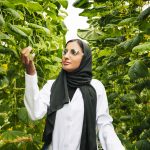

Amman, Oct. 27 (Petra) — The Ministry of Agriculture signed a $4
million project agreement on Tuesday to improve the sustainability,
productivity, and competitiveness of Jordan’s olive sector while
strengthening its resilience to climate and economic challenges.
The project, titled “Unlocking the Olive Economy: A Pathway to
Sustainable Food Systems in Jordan (2026–2027),” aims to develop
olive value chains, improve food systems, and expand access to
financing and markets.
It includes developing digital databases and maps of olive orchards,
strengthening quality control and product traceability systems,
supporting innovation, and promoting sustainable farming practices to
improve production efficiency and market access.
The signing was attended by UN Resident Coordinator in Jordan Sheri
Ritsema-Anderson, UNDP Resident Representative Randa Aboul-Hosn, and
representatives of the United Nations and UNDP.
Agriculture Minister Saeb Khreisat said the project would focus on
improving regulatory frameworks, institutional coordination, and
digital transformation, including traceability systems for olives and
olive oil. It will also support small and medium-sized enterprises
(SMEs) and cooperatives in accessing financing, investment, and
modern agricultural equipment.
Khreisat said the project prioritizes smallholder farmers and
agricultural enterprises led by women and young people by expanding
their access to technical services, financing, and markets.
He explained that the $4 million budget comprises $2 million from the
UN Joint Sustainable Development Goals Fund under its High-Impact
Track and another $2 million from existing resources and projects of
participating UN agencies.
Ritsema-Anderson highlighted cooperation with the Ministry of
Agriculture and the importance of continued technical and financial
support to improve agricultural development, investment conditions,
and food security.
//Petra// AO