ENV-KUWAIT-SUSTAINABLITYKuwait strengthens environmental sustainability through strategic initiativesBy Zahra Al-Kadhmi

HLT-KUWAIT-SURGERYKuwait advances health sector with robotic, remote surgeryBy Mohammad Al-Moseb

Saudi Arabia’s Voluntary Carbon Market Fuels the Shift to a Low-Carbon

Under UAE President’s directives, UAE launches urgent relief response for Ghana flood victims

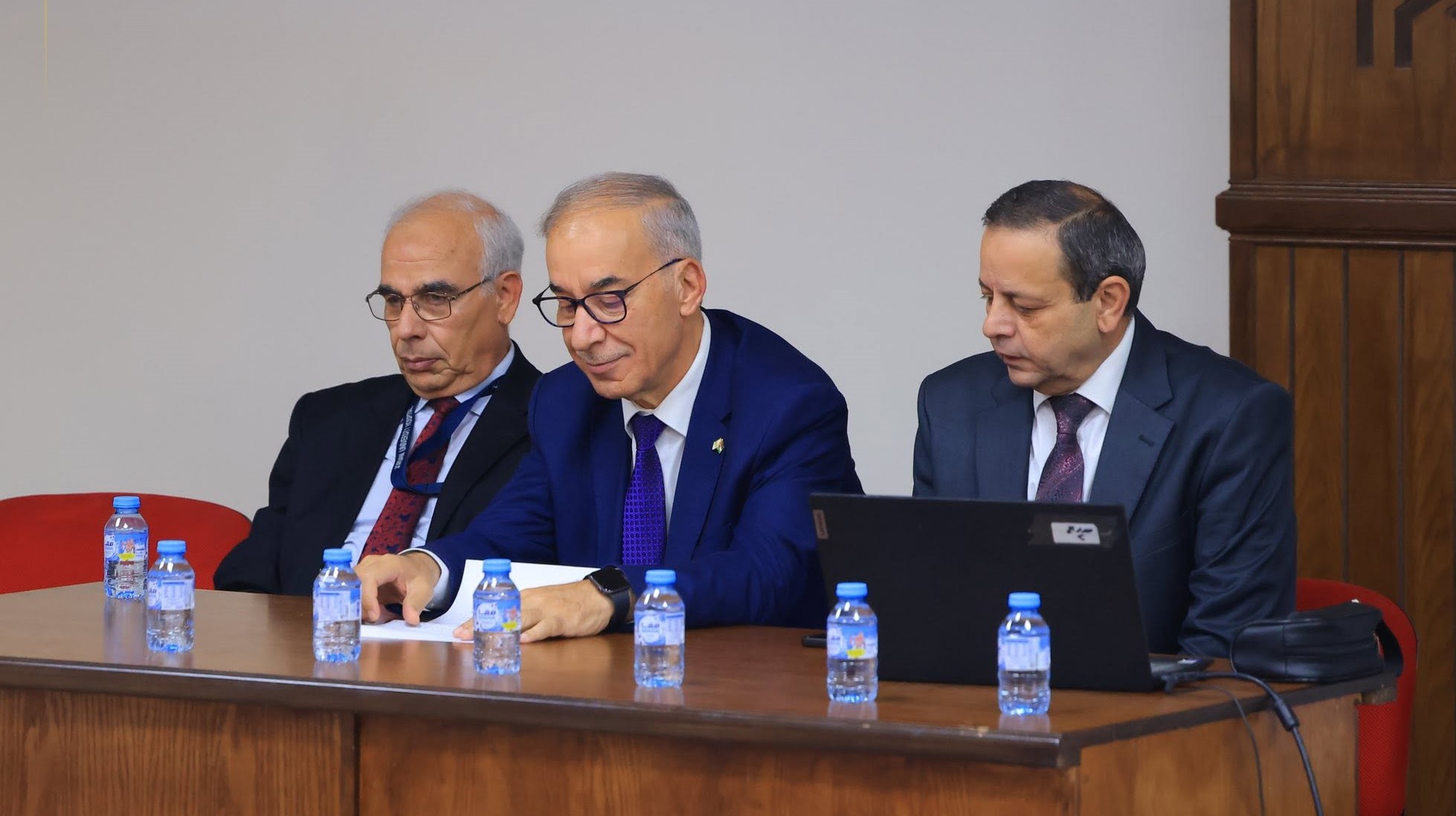
Amman, June 29 (Petra) — Jordan University Hospital (JUH) Director
General Nader Al-Bsoul held an introductory meeting on Monday with
the incoming cohort of first-year resident doctors for the 2026–2027
academic year.
The gathering was part of an orientation program organized by the
Medical Education, Training, and Continuous Development Division. The
session was attended by Dean of the School of Medicine
Ayman Wahbeh, Deputy Director General for Medical Affairs Sami Abu
Halawa, Vice Dean for Graduate Studies Nafez Abu Tarboush, and
Assistant Director General for Education and Training Randa Farah.
Al-Bsoul emphasized that the residency phase is a critical period for
sharpening clinical skills while fulfilling the requirements for the
Higher Specialization degree and the Jordanian Board. He stressed
that patient care is the core of the therapeutic process, urging
residents to adhere strictly to professional medical ethics, maintain
effective communication with patients and their families, and
champion a teamwork approach.
He affirmed the hospital administration’s commitment to fostering a
supportive educational environment, noting that the residency housing
facilities have been upgraded to improve working conditions. He also
underscored the administration’s focus on supporting residents’
mental health to enable them to complete their training successfully.
Dean Wahbeh reminded the new residents of the importance of
respecting the medical and administrative hierarchy, stating that
healthcare success relies on the integration of all members of the
medical team. He highlighted the necessity of precise medical
documentation and medical charting, while urging residents to engage
in scientific research and join research teams starting from their
first year, as it remains a key graduation requirement.
Abu Halawa reassured the cohort that JUH will remain their primary
supporter throughout their training, pointing out that
cross-departmental cooperation is essential to delivering top-tier
patient care.
Farah explained that the orientation program is designed to align the
new residents with global best practices and professional hospital
benchmarks. She called on the doctors to make full use of the
educational opportunities available, maintain strict patient safety
standards, and participate actively in continuous scientific
activities.
The comprehensive orientation program covered vital training modules,
including higher specialization guidelines, medical supervision
policies, bioethics, and the Medical Liability Law. It also featured
specialized sessions on handling cases of abuse, neglect, and
domestic violence, alongside pharmaceutical management, infection
control, workplace safety, and essential communication skills such as
delivering difficult medical news.
//Petra// AF