Jordan’s Q2 2026 GDP Expands 3.0%, Outperforming Regional Headwinds, International Forecasts

ENV-KUWAIT-SUSTAINABLITYKuwait strengthens environmental sustainability through strategic initiativesBy Zahra Al-Kadhmi

HLT-KUWAIT-SURGERYKuwait advances health sector with robotic, remote surgeryBy Mohammad Al-Moseb

Saudi Arabia’s Voluntary Carbon Market Fuels the Shift to a Low-Carbon

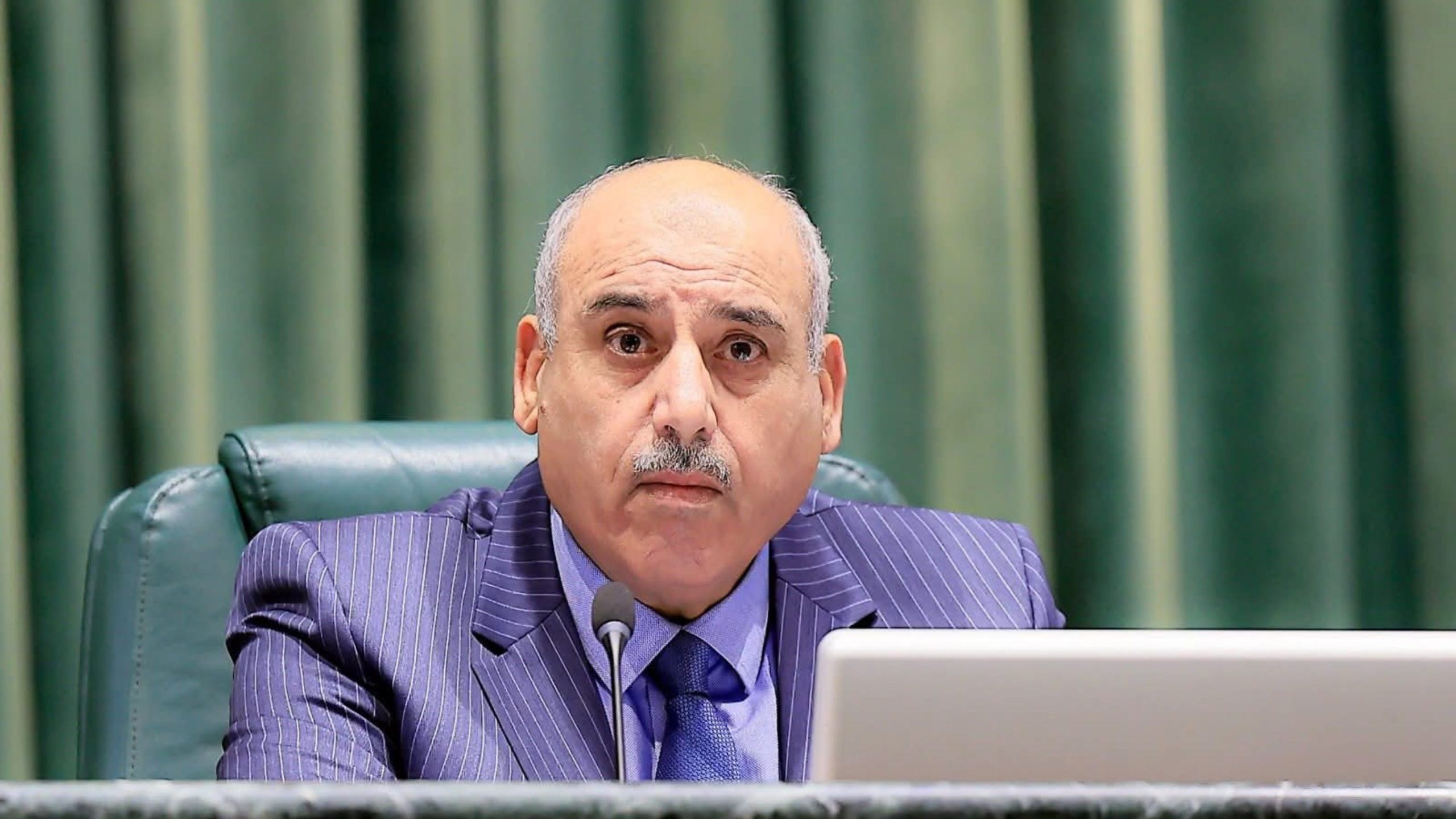
Amman, May 21 (Petra)– Lower House Speaker Mazen Al-Qadi said
Jordan’s political modernization process, guided by His Majesty King
Abdullah II, reflects an advanced vision aimed at building an
effective, program-based party system, enhancing public
participation, empowering women and youth, and expanding involvement
in decision-making.
Al-Qadi made the remarks on Thursday during a workshop organized by
Masarat Foundation in cooperation with the German Friedrich Ebert
Foundation, attended by lawmakers, civil society representatives, and
employees of the General Secretariat of the House of Representatives.
The workshop focused on mechanisms for interactive communication
between Parliament and civil society organizations.
He stressed the importance and depth of the Royal vision, which views
young people as the pillar of the present and the hope of the future,
calling for intensified national efforts to strengthen youth
participation in positions of influence and responsibility.
Al-Qadi said His Royal Highness Crown Prince Al Hussein bin Abdullah
II continues to support young people’s potential through initiatives
such as the Jordanian Narrative and national service programs,
helping build a generation that believes Jordan’s strength lies in
the awareness of its people, the cohesion of society, and the ability
to turn challenges into opportunities.
“We are all required to translate the Royal vision into practical
measures that open the door for young people and women to actively
participate and give them the space they deserve in public life,
because Jordan’s future can only be built by the hands, minds, and
ambitions of its sons and daughters,” he said.
Al-Qadi added that relations with civil society institutions should
be based on openness, noting that Parliament views such organizations
as active partners in supporting political and social development,
promoting awareness and civic education, and enhancing community
participation, particularly among youth and women.
He said the House of Representatives, through its legislative and
oversight roles, bears a major national responsibility in addressing
public issues and societal concerns.
“Legislation reflects the needs of the people and the concerns of
society, while oversight serves as a tool for correction,
development, and ensuring sound public performance,” he said.
Al-Qadi also highlighted the important role of parliamentary
committees as the “kitchen of legislation,” where laws are discussed,
different opinions are heard, and national consensus is built. He
added that parliamentary blocs should form a key pillar in advancing
parliamentary performance, strengthening institutional collective
work, moving toward program-based politics, and engaging in dialogue
and responsible national decision-making.
For his part, Executive Director of Masarat Jordanian Foundation for
Development and Modernization Talal Ghunaimat said the interactive
workshop on “Mechanisms for Interactive Communication between
Parliament and Civil Society” stems from the importance of
strengthening partnerships between legislative institutions and civil
society organizations to deepen dialogue, expand participation, and
serve public issues.
Ghunaimat said the project aims not only to open channels of
communication, but also to establish a practical model for
constructive cooperation based on dialogue, exchange of expertise,
and listening to different viewpoints in order to achieve more
effective outcomes that address citizens’ daily concerns.
He added that continued efforts are focused on developing
communication and cooperation mechanisms and transforming them into
practical action that positively impacts society and strengthens the
role of national institutions in serving citizens and public affairs.
“Dialogue and partnership are the foundation for achieving more
effective and sustainable results,” Ghunaimat said.
//Petra// MF