Saudi Arabia’s Voluntary Carbon Market Fuels the Shift to a Low-Carbon

Under UAE President’s directives, UAE launches urgent relief response for Ghana flood victims

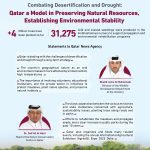
Combating Desertification and Drought: Qatar a Model in Preserving Natural Resources, Establishing Environmental Stability
UAE allocates US$30 million for emergency humanitarian response in El Obeid, calls for civilian protection, safe humanitarian aid access in Sudan

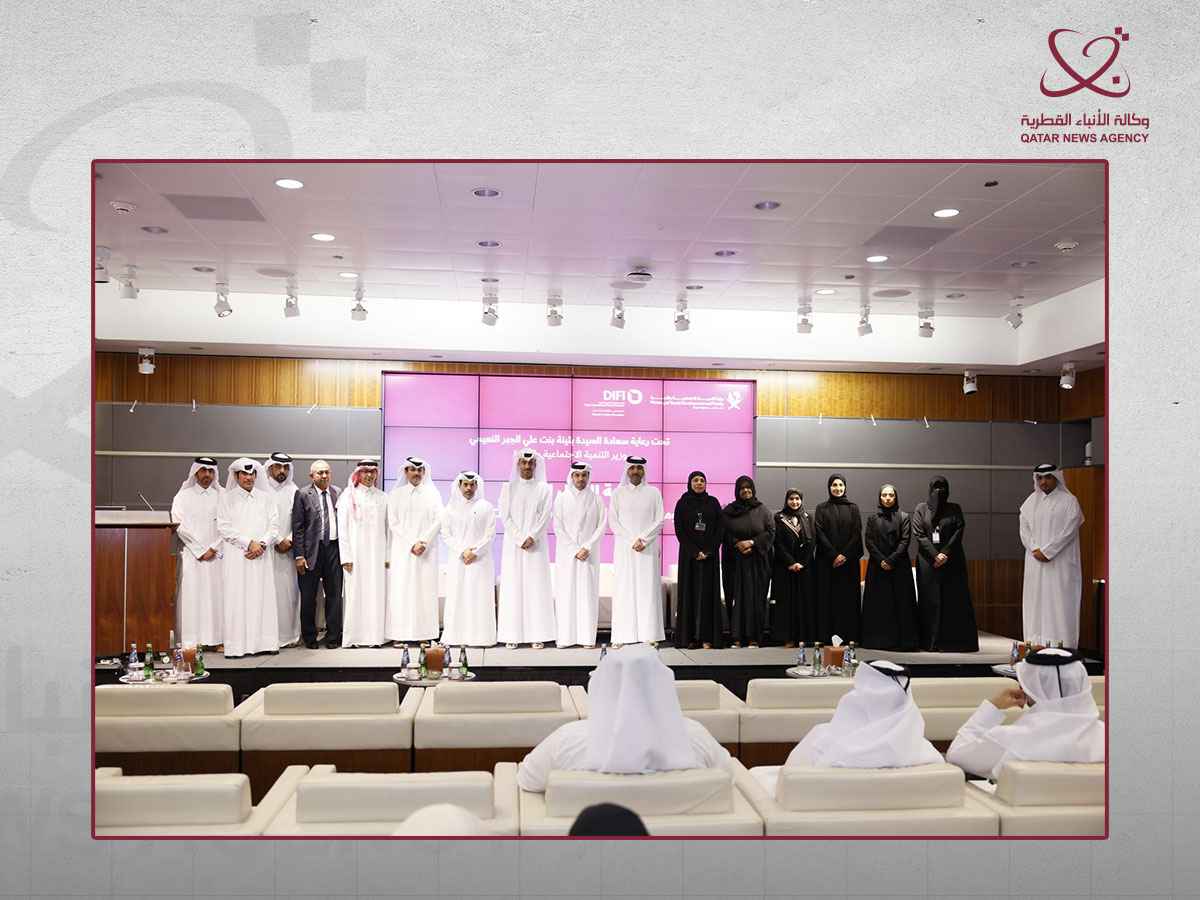
Doha, September 15 (QNA) – The Ministry of Social Development and Family (MSDF)’s Community Development Department organized a national workshop aimed at boosting the vocational training of priority groups in the State of Qatar.
Held under the patronage of HE Minister of Social Development and Family Buthaina bint Ali Al Jabr Al Nuaimi, the workshop was carried out in cooperation with the Doha International Family Institute (DIFI).
Bringing together more than 30 government and semi-government entities, civil society organizations, and private-sector institutions, in addition to a group of leading experts and specialists, the workshop aimed to strengthen dialogue and cooperation among various national stakeholders and explore ways to develop a more integrated and sustainable system for qualifying and empowering priority groups.
In his remarks, HE Undersecretary of MSDF Khalifa bin Issa Al Kubaisi emphasized the Ministry’s commitment to strengthening national partnerships and coordinating efforts to develop an integrated vocational training system for priority groups, placing beneficiaries at the heart of the planning and development processes.
As part of its 2025–2030 strategy and “From Care to Empowerment” slogan, MSDF is working to develop more integrated and sustainable models that place beneficiaries at the center of the planning process and make their path clearer and more interconnected, His Excellency said. Starting with assessment and understanding needs and capabilities, through training and skill development, all the way to empowerment, integration, and independence.
For her part, Executive Director of DIFI Dr. Sharifa Al Emadi said that the Institute’s participation in organizing the workshop stems from its belief in the importance of strengthening knowledge- and evidence-based national partnerships. Such partnerships support the development of more integrated policies and programs that are responsive to the needs of priority groups.
In turn, Director of the Community Development Department at MSDF Nasser Al Mughaiseeb said that the workshop adopts a participatory approach that enables participating entities to share their experiences, challenges, and perspectives; draw on their expertise to identify gaps, priorities, and opportunities for integration; and develop a clearer understanding of beneficiaries’ journeys and partners’ roles at various stages. (QNA)